Golden hour and blue hour, explained
Two short windows of the day make almost everything look better. What they are, when they happen, and how to use them for portraits and places.
By the Studio5 min read
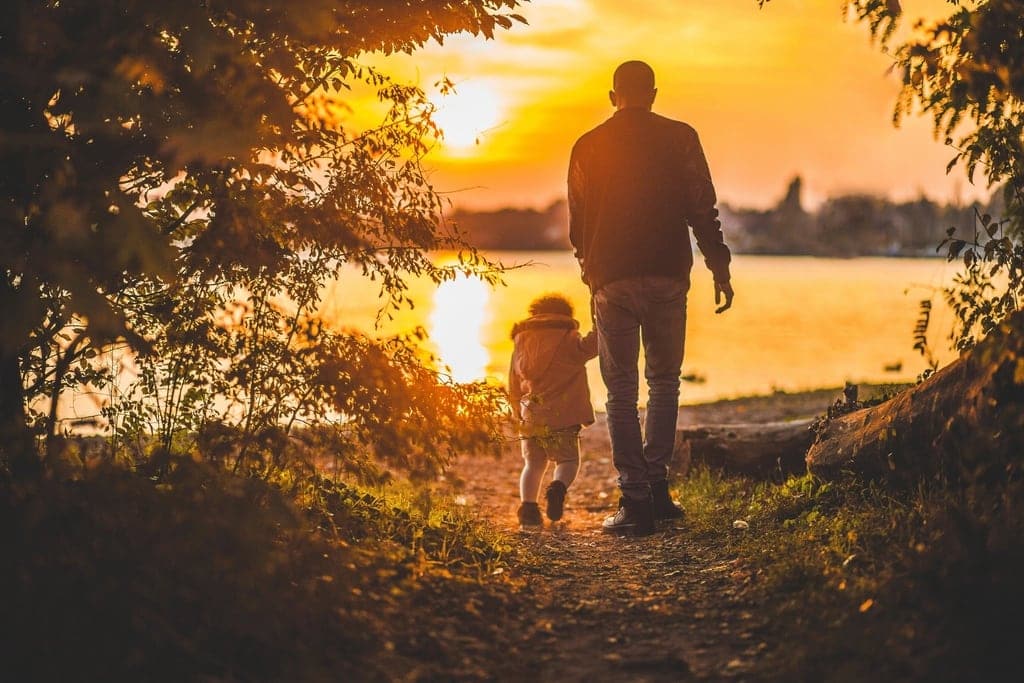
Photographers talk about golden hour as if it were a secret. It is not. It is simply the time of day when light is lowest, softest and warmest, and nearly everything looks better in it. Learning to notice it, and its quieter cousin blue hour, is the single fastest way to improve your photos.
What is golden hour?
Golden hour is the period shortly after sunrise and before sunset, when the sun is low in the sky. Light travels through more of the atmosphere at that angle, which softens it and warms its colour. Shadows grow long, faces glow without squinting, and textures in stone, water and fields come alive. Despite the name, its length changes with season and location; near the tropics it can feel shorter than an hour.
What is blue hour?
Blue hour is the short window just before sunrise and just after sunset, when the sun is below the horizon but the sky is still lit. Light is cool, even and gentle. It is ideal for cityscapes, lit temples and lakes, because artificial lights glow while the sky still holds colour and detail instead of turning black.
How do I find golden hour where I am?
Look up sunrise and sunset times in your weather app, then plan to be in position about thirty to forty minutes before sunset or right at sunrise. In valleys surrounded by hills, the sun can disappear behind a ridge earlier than the official sunset time, so arrive early.
Portraits in golden hour
Put the sun behind or beside your subject rather than straight into their eyes. Backlight creates a warm outline in hair and on shoulders; side light shapes the face. If the face looks too dark against a bright background, tap on the face to expose for it and let the sky go bright.
Places in golden hour
For landscapes and buildings, turn so the light falls across the scene from the side. Long shadows give depth to hills, terraces and old brick. Lakes become mirrors in the still air of early morning, which is why boats and reflections look so calm at dawn.
Why it matters for printed books
Photos taken in soft, low light print beautifully: they have gentle contrast, rich colour and detail in both highlights and shadows. A book built mostly from golden and blue hour photos feels cohesive almost automatically, because the light ties the pages together.