Making a cookbook that looks like a magazine
Your family recipes deserve a layout that makes them look as good as they taste.
By the Studio6 min read
Most homemade cookbooks look like printed recipe cards: a title, a list, a block of steps, repeated for fifty pages. They are useful, but nobody leaves them on the coffee table. Food magazines, on the other hand, make you hungry just turning the pages. With a few editorial ideas, a family cookbook can feel just as inviting.
Think in features, not recipes
Magazines rarely present recipes as a list. They build stories around them: a season, a festival, a person, a place. Try organising your cookbook the same way. A chapter about a grandmother's festival cooking. A chapter about the dishes your family makes when someone comes home after a long time away. A chapter of quick weekday meals your children grew up on.
Each feature opens with a strong photo and a few paragraphs of story, followed by the recipes that belong to it.
Use big, appetising photos
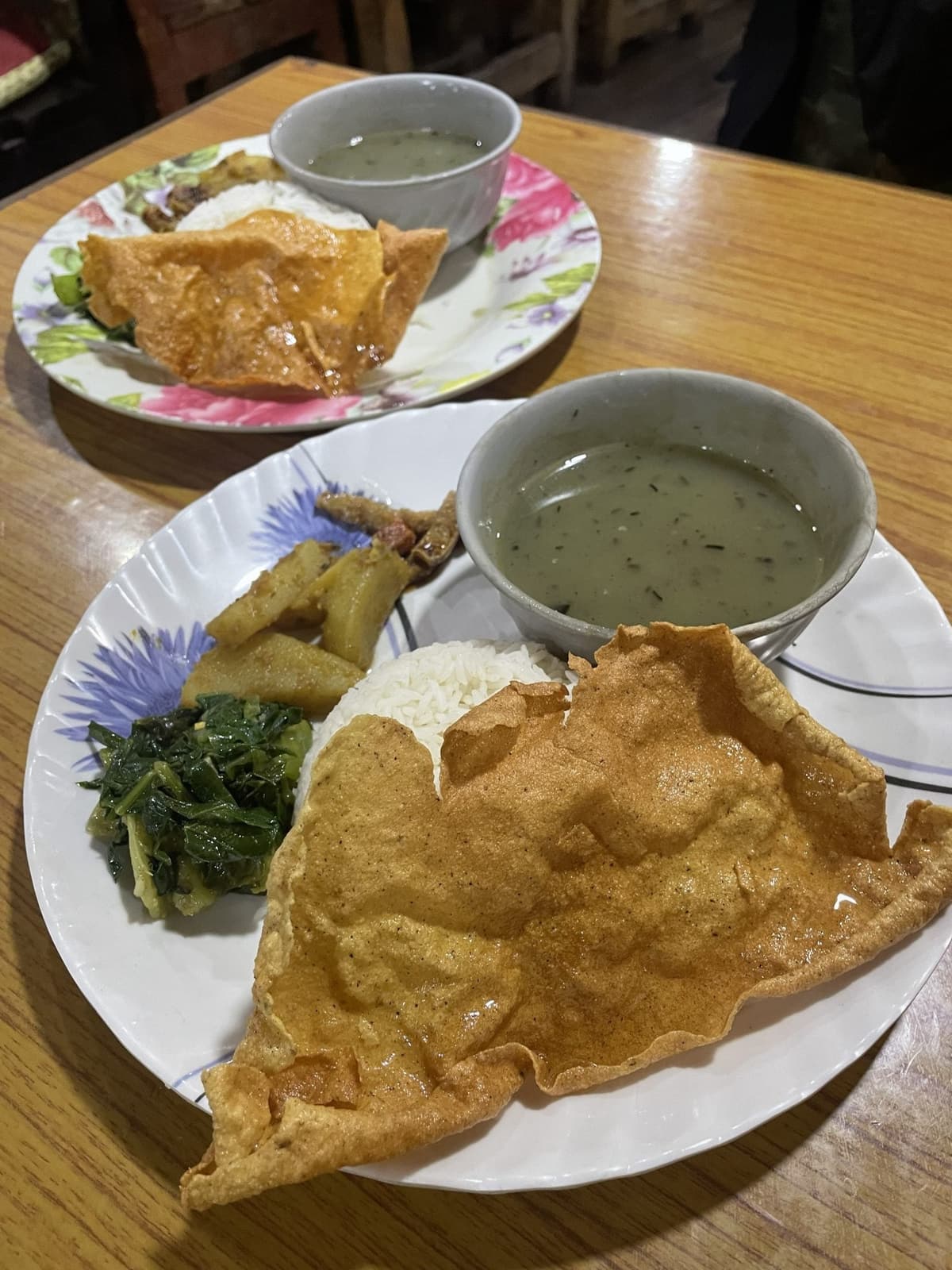
Food photography does not need expensive equipment. Cook near a large window, turn off overhead lights, and photograph the dish from above or at a slight angle. Use simple plates and a plain surface, such as a wooden board, a steel thali or a linen cloth. Get close. Steam, texture and a little mess make food look real and delicious.
Photograph the people too
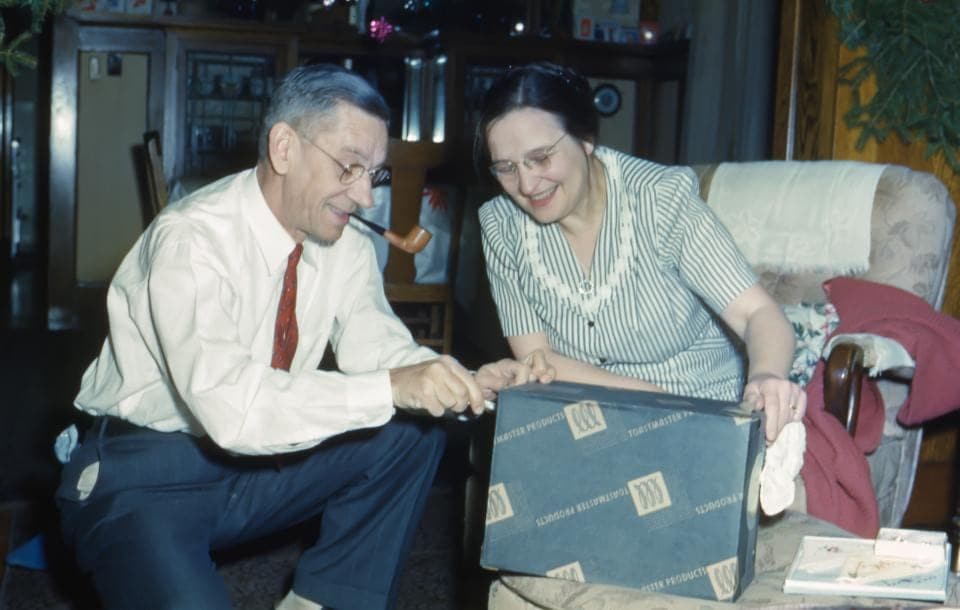
The most magazine-like cookbooks include portraits of the cooks: hands kneading dough, an aunt laughing at the stove, children waiting at the table. These photos give the book warmth and turn it from a manual into a family story.
Give recipes a clear, consistent layout
Readers need to cook from the book, so clarity matters. A good recipe layout has:
- The dish name in a large, elegant typeface.
- A short introduction with a story or tip.
- Ingredients in a neat column, often on the left.
- Numbered steps in a wider column beside them.
- A note on serving, timing or variations.
Keep this structure consistent throughout so the book feels designed rather than assembled.
Borrow magazine details
Small editorial touches make a big difference:
- A contents page listing features and recipes.
- Pull quotes from family members, set large in italics.
- Page numbers and running titles at the bottom.
- An index at the back by main ingredient.
- A short letter from the editor, which is you, at the front.
Choose the right paper
A cookbook lives in the kitchen. Matte or uncoated paper reduces glare under kitchen lights and is easy to write on, so people can add their own notes and adjustments. A sturdy cover helps it survive splashes and years of use.
Make it a family project
Ask relatives to contribute recipes, stories and photos. Some will send handwritten cards, others voice notes, others a single blurry photo of a dish. Together, they become a portrait of how your family eats, celebrates and cares for each other, presented as beautifully as any magazine on a newsstand.