How to sequence photos for emotional impact
The order of your photos shapes the story just as much as the photos themselves.
By the Studio6 min read
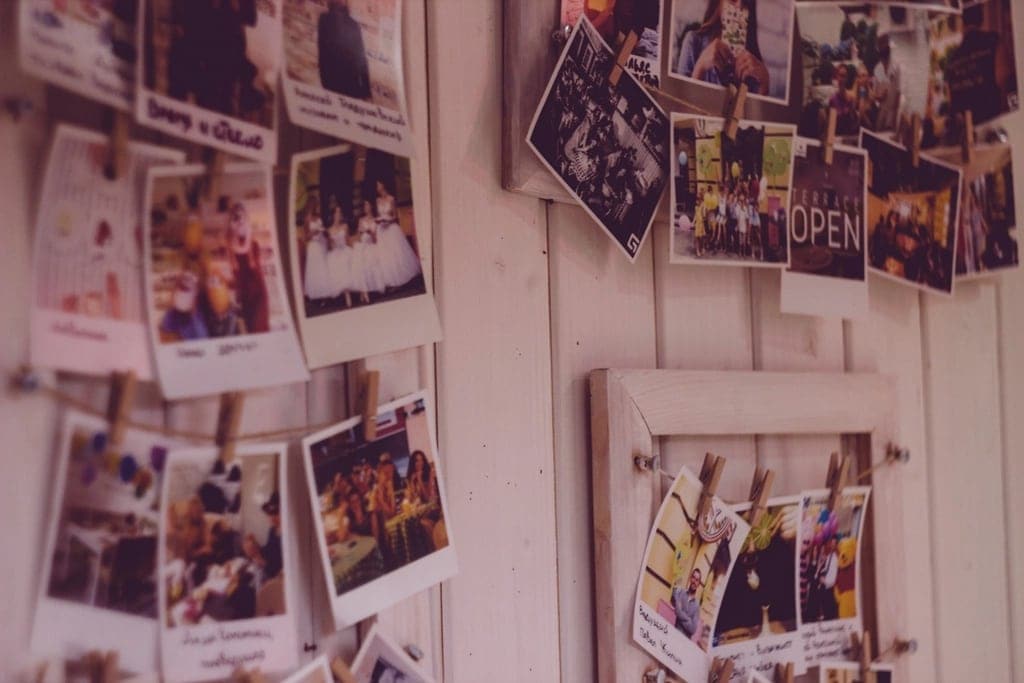
Give the same forty photos to two people and they will make two very different books. The difference is sequence: which photo comes first, which sits beside which, where the quiet moments fall and where the big ones land. Sequencing is the closest a photobook comes to film editing, and it is where a collection becomes a story.
Why does photo order matter?
Every photo is read in relation to the one before it. A laughing face after a quiet landscape feels like relief. The same face after another laughing face feels like repetition. A photo of an empty chair after a family dinner feels very different from the same chair at the start of the book. Order creates meaning.
How should a photobook begin?
Start with a photo that sets the scene and invites the reader in. It might be a wide view of a place, a portrait of the main person, or a small detail that hints at what is coming. Avoid starting with your single strongest photo; save that for later, when the reader is invested.
How should a photobook end?
End with a photo that closes the story and leaves a feeling. A quiet moment often works better than a big one: a goodbye wave, an empty room, a sleeping child in the car on the way home. The last image is the one people remember, so choose it carefully.
How do I create rhythm?
Alternate between loud and quiet, wide and close, busy and simple. A useful pattern is:
- A wide photo to establish a place.
- A medium photo of people in that place.
- A close detail, such as hands, food or an object.
Then repeat with variation. This mirrors how we actually experience moments: first the whole scene, then the people, then the small things we notice.
What is a visual pairing?
On a spread, the two pages are read together, so pairing photos is a powerful tool. Pair photos that echo each other: two people looking towards each other across the gutter, a child then and now, the same place in different seasons. Pair photos that contrast: busy and calm, colour and black and white, crowd and solitude. Both create a small moment of meaning.
Where should the strongest photo go?
Often about two thirds of the way through the book, where a story naturally reaches its peak. Give it space: a full page or a full spread, with quieter pages before and after so it lands with full force.
Should I follow chronological order?
Chronology is a reliable backbone, especially for trips and events. But you can break it when it serves the story. Grouping photos by feeling, such as celebrations, quiet mornings or people, can be more moving than strict time order.
Test your sequence
Lay out small prints on a table or view thumbnails in order and move them around. Show the sequence to someone who was not there and watch where they pause. Those pauses tell you where the story is working.