Designing a travel photobook that tells a story
The best travel books feel like journeys, not slideshows.
By the Studio6 min read
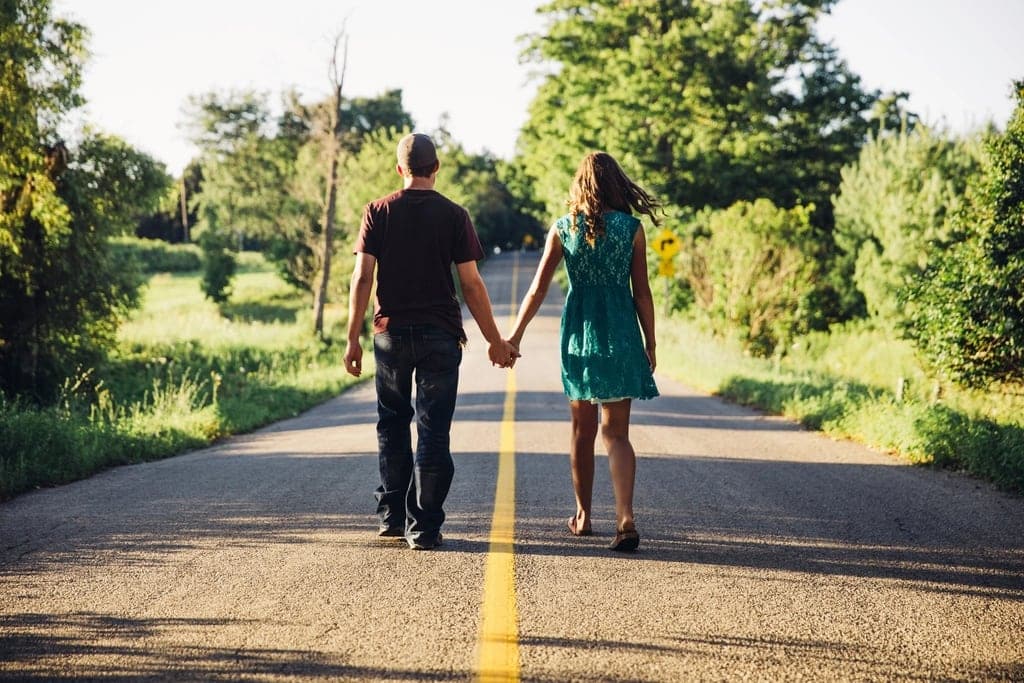
Every trip comes home as hundreds of photos: views, meals, streets, selfies, blurry bus windows. Turned into a book, they can become either a slideshow, one pretty picture after another, or a journey, with a beginning, a middle and an ending you can feel. The difference is in how you think about the story.
Start with the people, not the places
Views are what we photograph most, but people are what we remember. Who were you with? Who did you meet? A travel book with your companions laughing over tea, the guesthouse owner who waved you off, the child who followed you down the lane, feels far more alive than one filled only with scenery.
Give the journey a shape
Most trips have a natural arc:
- Leaving. Packing, the airport or bus station, the first glimpse.
- Arriving. Disorientation, first meals, the room.
- Settling in. Routines, favourite spots, the people you begin to recognise.
- The high point. The day everything came together.
- Leaving again. Last looks, the journey home.
Organising your photos around this arc gives the book momentum, even if the trip itself felt more chaotic.
Mix wide, medium and close
For each place or day, try to include a wide photo that shows where you were, a medium photo with people, and a close detail: a ticket, a dish, a sign, a texture. This rhythm makes readers feel like they are there, rather than looking at postcards.
Use maps and small objects
A simple hand-drawn map, a scanned ticket, a receipt with a funny item on it, a pressed flower. These little additions make a travel book feel like a journal. Scan them flat and place them beside the photos they relate to.
Write a little
Short captions with the name of the place and one line about what happened turn photos into memories. You might also write a short paragraph to open each chapter: what you expected, what you found, what you will never forget.
Choose a format that suits the views
Landscape books show off wide views and panoramas, especially with lay-flat binding. If your favourite photos are of people, a portrait or square format can feel more intimate. Look at your strongest images and let them guide the choice.
End with a feeling, not a view
The final page of a travel book is often a sunset or a last landscape. Consider ending instead with something more personal: tired faces on the journey home, a suitcase by the door, the first cup of tea back in your own kitchen. It closes the story and brings the reader home with you.