A guide to photobook binding styles
Understanding binding options helps you pick the right finish for your photobook project.
By the Studio6 min read
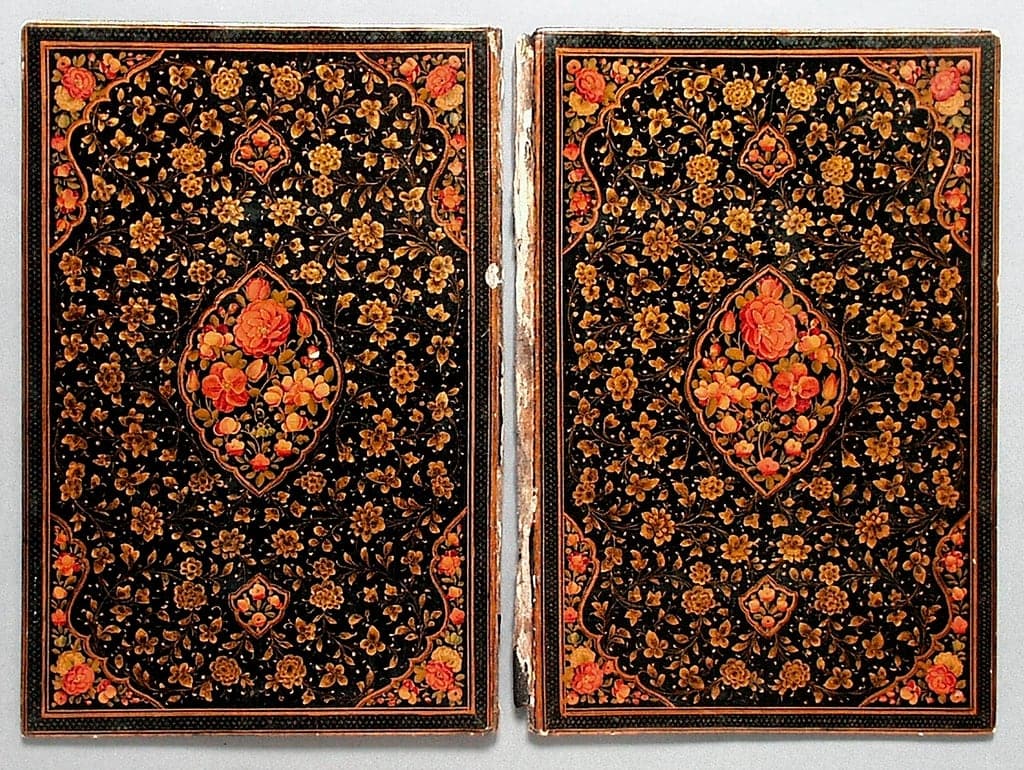
The binding is the part of a book nobody notices until it goes wrong. A spine that cracks, a spread that swallows a face in the middle, a cover that curls after a monsoon season: these are binding problems, and they are avoidable. Choosing well is mostly about matching the binding to how your book will be used and what kind of photos it holds.
What are the main types of photobook binding?
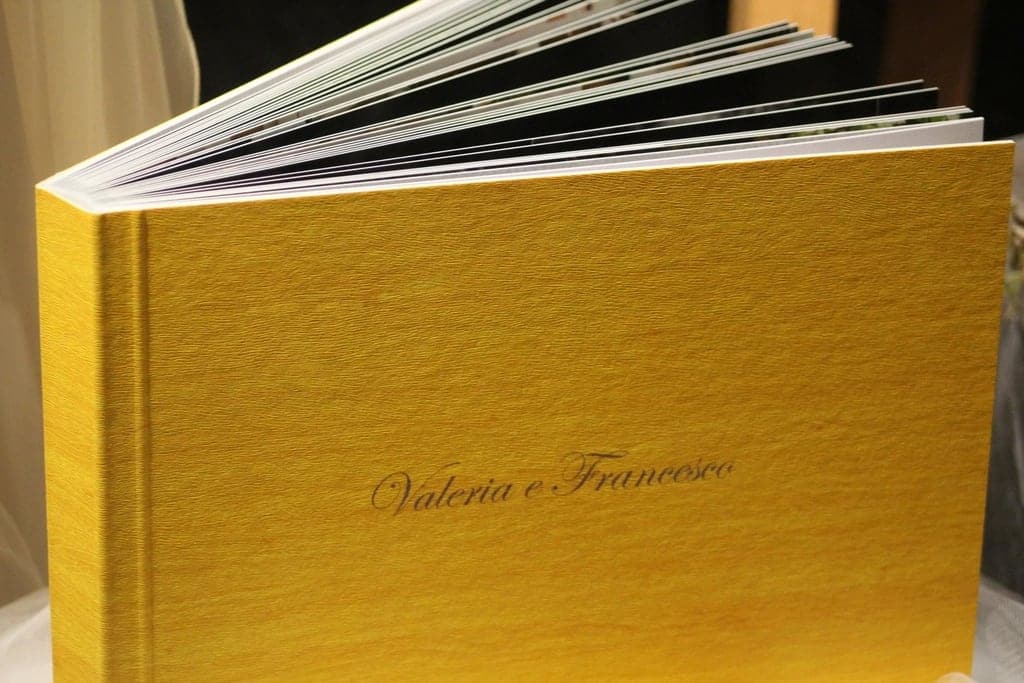
Most photobooks use one of four approaches. Lay-flat binding lets every spread open completely flat. Perfect binding glues pages into a squared spine, like a paperback or a thick magazine. Saddle stitching staples folded sheets through the fold, the way most magazines and zines are made. Case binding wraps the pages in a rigid hardcover, and it can be combined with either lay-flat or sewn pages inside.
When should I choose lay-flat binding?
Choose lay-flat whenever your favourite photos are wide. A wedding party lined up across a courtyard, a mountain ridge at sunrise, a table full of relatives at a festival dinner: these photos want to run across both pages. In a lay-flat book, nothing is lost in the middle. The book also stays open on a table without anyone holding it, which makes it lovely to share with a group.
Lay-flat pages are usually thicker and stiffer, so the book feels substantial. The trade-off is that it holds fewer pages for the same thickness, and it costs a little more to make.
Is perfect binding good for photos?
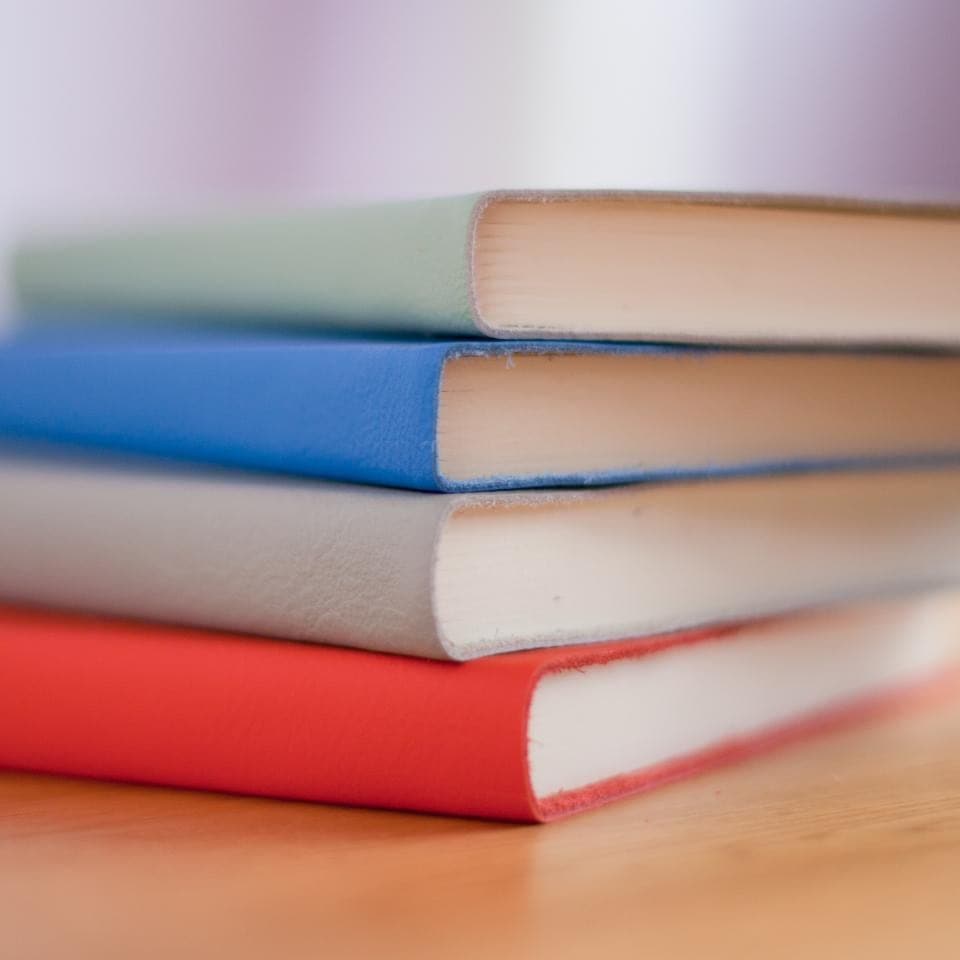
Perfect binding is clean, familiar and excellent for books that are mostly single-page layouts, text with photos, or a larger number of pages. Think of a yearbook, a cookbook, or a portfolio. The spine can carry a printed title, which looks smart on a shelf. The limitation is the gutter: the book never opens fully flat, so a photo crossing the centre will lose a strip in the fold. Design around it by keeping each photo on its own page.
What is saddle stitching best for?
Saddle stitching suits slim books: a zine about a weekend trip, a small magazine about your shop, a programme for a wedding. It works with a modest page count, always a multiple of four, because each folded sheet makes four pages. It is light, affordable and opens nicely, but it does not have a printed spine and is less durable for a book you expect to handle for decades.
Hardcover or softcover?
Hardcovers protect the pages and feel like an heirloom. They suit weddings, anniversaries, baby books and anything you hope will be passed down. Softcovers are lighter, easier to post and perfect for gifts to many people, such as a small book for every guest or every grandparent. A good rule: if the book is the main gift, go hard. If you are making several copies, soft is kinder to everyone's budget.
Does binding affect the design?
Yes, and it is worth deciding before you start laying out pages. With lay-flat binding, you can treat each spread as one wide canvas. With perfect or saddle binding, keep faces and text well away from the gutter, and give each photo its own page or leave a generous inner margin. Soouvenir shows the gutter in the editor for the binding you pick, so you can see exactly where the fold will fall.
A quick way to decide
- Wide photos and a book to keep forever: hardcover, lay-flat.
- Many pages with a mix of photos and words: perfect binding.
- A slim book you will make several copies of: saddle stitch.
- A gift that has to travel: softcover in any style.
Whatever you choose, the best binding is the one that lets people open the book again and again without worrying about breaking it. That is the whole point of putting photos on paper.